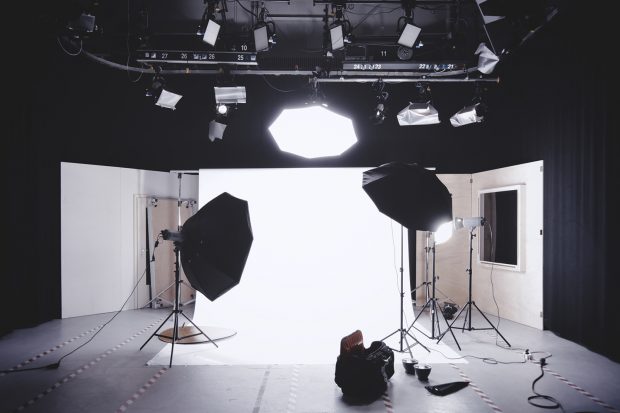
A normal photograph can Read this post be transformed into an emotional experience with the right kind of lighting. Dark, backlit photos with high contrast are different from bright, airy sunrise scenes, and both send different messages. Even though everyone understands the importance of light, there is still room for learning, and mastering light is key to mastering photography. Let’s take a look at different kind of lighting setups, and how they impact a photograph.
Importance of light in photography
The tone, mood, and atmosphere of a photography is influenced by lighting. To achieve vibrant colours, textures, and luminosity, you need to control and manipulate light correctly. On the other hand, creating stylised professional-looking photographs need proper distribution of shadows and highlights.
Positioning light
How light falls on your subject is greatly affected by its source. Having light coming from behind the camera and pointing directly at the subject renders a very flat image. Shadows will also fall in the background. A side light gives a more dramatic appearance to the subject, as it highlights its shape and casts it in partial shadows. Typical examples of this type of lighting include Rembrandt lighting.
Snapping light
It is possible to reduce glare and harsh shadows and diminish blemishes on your subject by adding a diffuser to your light source. Your artificial light will look softer and more natural with it. Numerous ways exist for diffusing light, including heatproof material, umbrellas, and softboxes to name a few.
Manipulating light
Using light to focus on a specific area of your subject is possible by manipulating light. Reflectors and diffusers can be used to accomplish this. Lights are bounced with a collapsible reflector to highlight certain areas. Light shapers can also be used on spotlights to control the direction and width of the light.
4 main characteristics of light in photography
Intensity of light
Whenever you plan to take a photograph, the first characteristic you should pay attention to is the intensity of light, whether it is natural or artificial. The intensity of light can also reflect the mood of the scene, as bright light can be seen as cheerful or dramatic, while dim light can be seen as mysterious or melancholy.
Hardness of light
It’s nigh impossible to measure the quality of light. It is soft or hard based on one’s visual perception. Typically, soft light is diffused and non-directional, and creates soft shadows. Hard light has a harsh, directional quality, and its shadows and highlights are very bright.
Temperature of light
You will notice that a photograph sometimes has a “warm” or “cool” colour tone, and this determines the mood. The time of day or season can have a say on the colour tone, but it can also be controlled with a lighting setup. A camera’s white balance too can be adjusted to ensure your photos represent the scene accurately.
Direction of light
Photographers can not only control the amount, quality, and colour of light being used, but also the shape of their subjects’ faces. What’s the process? By dictating the light’s direction. In a studio setting, you simply move your key light into a position that reflects the light in the subject’s eyes, wraps the light around the face, and places the shadows on the nose. In a multi-light setup, these other lights can also be positioned to further refine the face shape.


Leave a Reply